Everyday Life in San Rafael Lifestyle Neighborhoods
February 5, 2026
February 5, 2026
Craving morning coffee on a strollable main street or weekend rides along the bay? In San Rafael, you can shape your days around walkable errands, shoreline trails, or quiet, leafy blocks. If you are exploring where to live, you likely care less about square footage and more about how your week feels. This guide breaks down everyday life across San Rafael’s most loved neighborhoods so you can match your routine to the right streets. Let’s dive in.
San Rafael is Marin County’s largest city and county seat, with roughly 60,000 residents. You get a compact, walkable core near Fourth Street plus suburban neighborhoods that spread toward the bay. It is a hub for government, health services, dining, and culture in Marin.
You will notice a mix of older homes and newer tracts. Classic Victorians, bungalows, and small apartment buildings sit near downtown, while mid‑century ranch homes and recent infill appear farther out. The Marin County Civic Center, designed by Frank Lloyd Wright, anchors the civic area and signals an arts-and-architecture thread throughout the city.
Outdoor access is part of daily life. You can reach China Camp State Park, the Bay Trail, and other parks for regular hikes, rides, or paddles, while still enjoying a smaller-city scale and local shops.
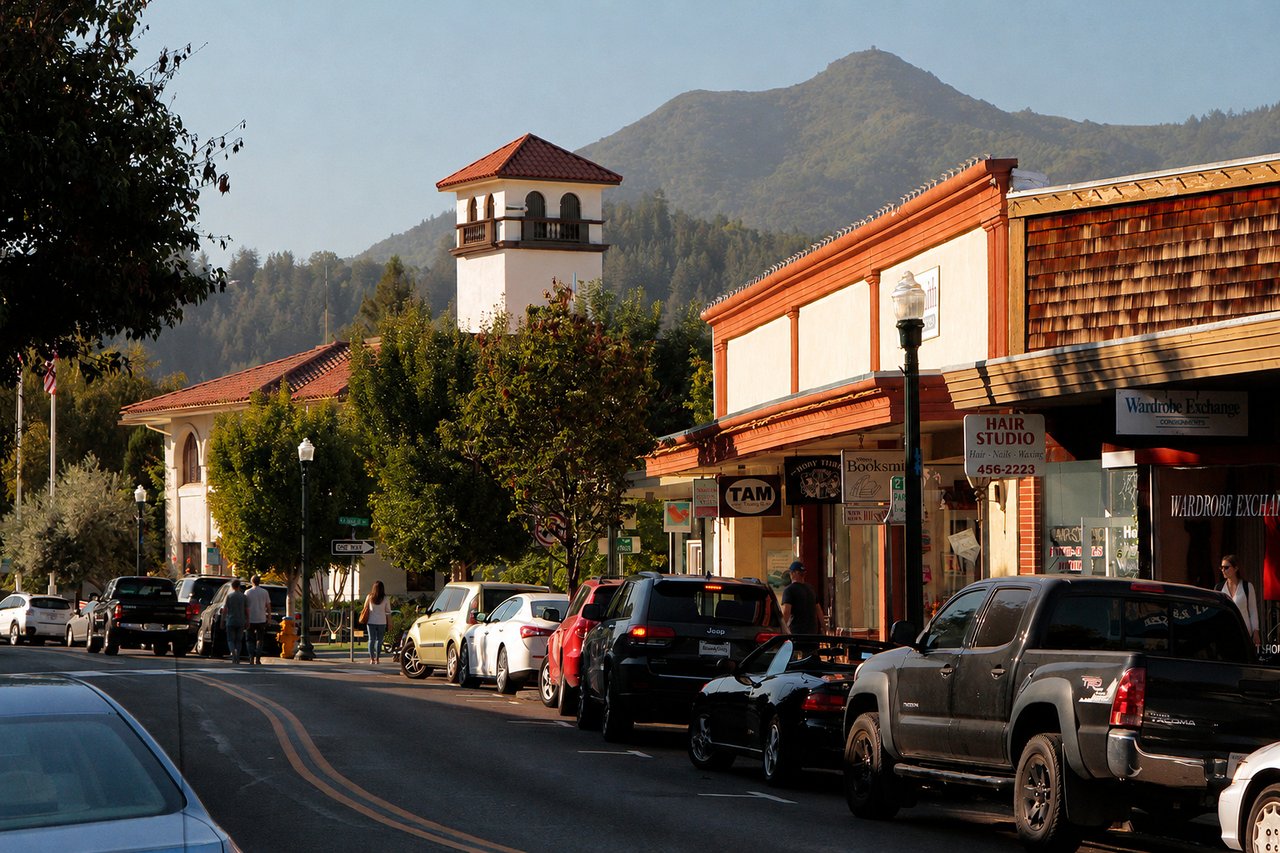
This is San Rafael’s most urban, walkable pocket. Sidewalks, street trees, and short blocks make it easy to run errands on foot. Restaurants, cafes, and small businesses cluster along Fourth Street and nearby. The Civic Center and local theaters add community events and rotating exhibits to your calendar.
You will like this area if you want a lower‑maintenance lifestyle with dining, coffee, and services within a few blocks. Expect more evening activity on weekends and less private outdoor space than in the suburbs.
Close to the water, parts of this area offer shoreline views and access to multi‑use paths. Day to day, you might jog a Bay Trail segment, kayak near the canal, then swing by neighborhood shops and bakeries. Housing is a mix of multi‑unit buildings and single‑family homes.
Choose this area if you want an active, outdoorsy routine with a balance of walkable options and easy water access. You will still drive for some errands, but bikes and walking work for many short trips.
Tree‑lined streets, historic homes, and front porches give Gerstle Park a village feel. You are close to downtown for dining and errands, yet residential blocks stay quieter. Neighborhood parks and community gatherings add simple, local rhythms to your week.
Consider this area if you want character homes near downtown without a busy street scene at your door. Many homes are older, so plan for upkeep and ongoing care.
This is classic suburban living with larger lots, wider streets, and convenient shopping plazas. Daily routines often include quick drives for groceries, school drop‑offs, and recreational facilities. Yards tend to be bigger for gardening or play.
You will be comfortable here if you prioritize space, proximity to schools, and a calmer residential pace. Expect to rely on the car more for dining and entertainment.
These shoreline neighborhoods feel semi‑rural and relaxed. China Camp State Park is close by, so frequent hiking, mountain biking, picnicking, and paddling are common. Local retail is more limited, and residents often head to central San Rafael for broader dining and shopping.
Choose this if you want nature at your doorstep and quieter streets. You trade convenience of walkable restaurants for trailheads and bay views.
These areas deliver an everyday, suburban rhythm with parks, local schools, and small shopping centers. Some blocks are more residential than others, and short drives connect you to specialty goods and dining.
If you want a straightforward routine with accessible services and neighborhood green space, this is a practical fit. Expect varied housing and a mix of commutes depending on your exact location.
China Camp State Park is the signature green space for daily life. You can hike and mountain bike on rolling trails, picnic near the water, or paddle along the bay. The San Rafael Canal and Bay Trail segments add flat routes for jogging, biking, and casual strolls. Neighborhood parks throughout the city support playground time and pickup games.
If you want to step onto a trail most days, the Santa Venetia and China Camp corridor puts you closest. If you want parks plus quick dining options, downtown and nearby central neighborhoods balance both.
San Rafael’s culinary scene centers on downtown and key commercial corridors, with locally owned restaurants, cafes, and bakeries. You will find a range of cuisines in a compact area, which makes meeting friends for dinner simple. Community theater, galleries, and occasional live music round out the arts calendar. Larger venues are available elsewhere in Marin and the North Bay when you want bigger acts.
If dining variety is essential, prioritize proximity to Fourth Street. If you prefer quiet evenings, consider residential neighborhoods a few minutes away.
U.S. Highway 101 is the main north‑south route through San Rafael. Interstate 580 connects to the East Bay via the Richmond–San Rafael Bridge. Many commuters combine options based on time of day.
Regional buses operated by Golden Gate Transit connect San Rafael to San Francisco and Marin. Marin Transit runs local routes. The Larkspur Ferry provides a water commute from nearby Larkspur Landing, and the SMART rail system links stations across Marin and Sonoma. Traffic on 101 and at bridge crossings can be heavy during peak times, so plan your window and mode around your tolerance for congestion.
San Rafael is served by the San Rafael Unified School District, which includes public elementary, middle, and high schools. There are private‑school options in the area and nearby higher education at Dominican University of California. As the county seat, San Rafael hosts county government facilities at the Civic Center and offers access to medical clinics and regional hospitals.
For school programs and enrollment boundaries, check official district and school resources. For healthcare or civic services, review county and city pages for current information.
Start with your non‑negotiables, then test them against each area’s daily rhythm.
Quick planning steps:
If you want help matching your day‑to‑day priorities to a specific block, reach out for local guidance. With deep Marin roots and a concierge approach, Emily Schaffer can help you compare neighborhoods, preview on‑ and off‑market options, and craft a plan that fits your lifestyle. Request a Private Consultation to get started.
Stay up to date on the latest real estate trends.


Get assistance in determining current property value, crafting a competitive offer, writing and negotiating a contract, and much more. Contact me today.