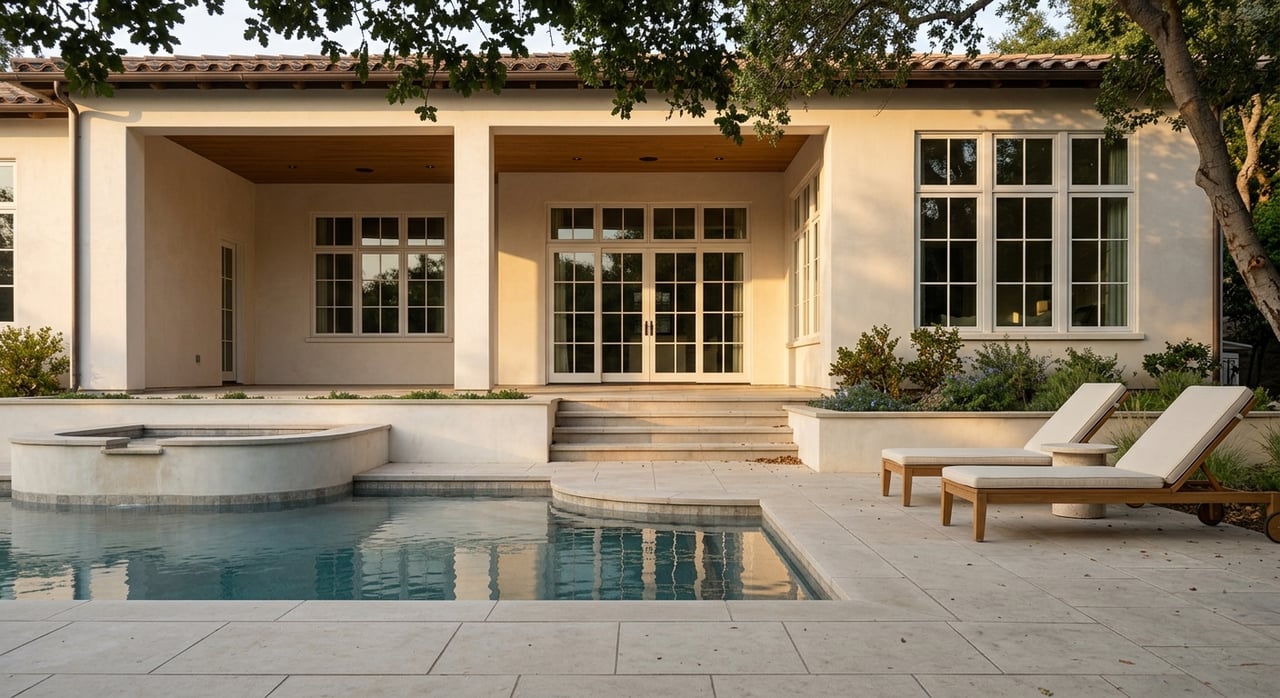
Pricing Strategy For Luxury Homes In Mill Valley
June 25, 2026
June 25, 2026
Wondering why one luxury home in Mill Valley sparks multiple offers while another sits, even in a strong market? In this part of Marin, pricing is rarely about picking a number slightly above the city average and hoping buyers agree. If you want to maximize your result, you need a strategy built around your home’s exact location, site conditions, design, and buyer appeal. Let’s dive in.
Mill Valley is a small, high-value market with about 14,000 residents and 6,534 housing units, most of them single-family homes. The city’s character, natural setting, and limited footprint all shape how buyers evaluate value. That matters because luxury pricing here is highly local, not generic.
Current market data also shows a market that is strong but selective. Zillow reports a typical home value around $2.17 million, a median sale price of $2.11 million, 11 days to pending, and 63.7% of sales closing above list price. At the same time, 16.9% of homes had price drops, which is a clear reminder that overpricing still gets punished.
The biggest mistake luxury sellers make is leaning too heavily on citywide averages. In Mill Valley, neighborhood differences can be meaningful enough to shift pricing by hundreds of thousands of dollars. Your pricing strategy should begin with the narrowest possible group of comparable homes.
Zillow’s neighborhood data shows how wide the spread can be. Muir Woods Park sits around $1.78 million, Downtown and Lytton Square around $2.26 million, and Sycamore and Tamalpais Park around $2.81 million. That range tells you one simple truth: Mill Valley is not one market.
A luxury buyer is not comparing your home to every listing in Mill Valley. They are comparing it to homes with similar site conditions, access, design quality, and lifestyle appeal. A well-priced luxury listing reflects those specifics rather than relying on broad averages.
This is especially important at the top end of the market. Sales like 151 Tamalpais Ave at $4.495 million in March 2026 and 112 Edgewood Ave at $10.25 million in April 2025 show that buyers will pay far above the median when the home, location, and presentation align.
Views can absolutely add value in Mill Valley, but they should be handled with discipline. The city’s design guidelines state that Mill Valley does not have a view ordinance, and the guidelines are not intended to address private views. In practical terms, that means a great outlook may deserve a premium, but not an assumed one.
A strong pricing strategy looks at how open, compelling, and durable the view really is. You also need to ask whether nearby sales support that premium. In other words, the market has to confirm the story.
Not every view carries the same value. Buyers tend to respond differently to a broad, open outlook than to a partial or more filtered one. The best pricing conversations separate emotional appeal from proven market evidence.
When pricing a luxury home, it helps to define the view in practical terms such as:
Hillside homes are a major part of Mill Valley’s identity, but they need a different pricing lens. The city’s single-family design guidelines treat sloped lots differently from flatter sites and emphasize stepping with the slope, reducing grading, and minimizing visual mass. That signals something important for sellers: slope is not just a design detail, it is a value variable.
A hillside property may offer dramatic views and architectural interest, but buyers also weigh access, usability, earthwork, and overall site functionality. Those factors can increase appeal in some cases and limit it in others. That is why hillside homes should be compared to other hillside homes whenever possible.
Some buyers prioritize privacy, elevation, and outlook. Others place more value on convenience, flatter lots, and easier daily access. Mill Valley supports both preferences, and pricing should reflect which lifestyle your home actually delivers.
The city also highlights walkability and identifies Lytton Square as being in the heart of downtown Mill Valley. So if your property offers easier access to downtown amenities or a flatter neighborhood setting, that can shape value differently than a more site-sensitive hillside home.
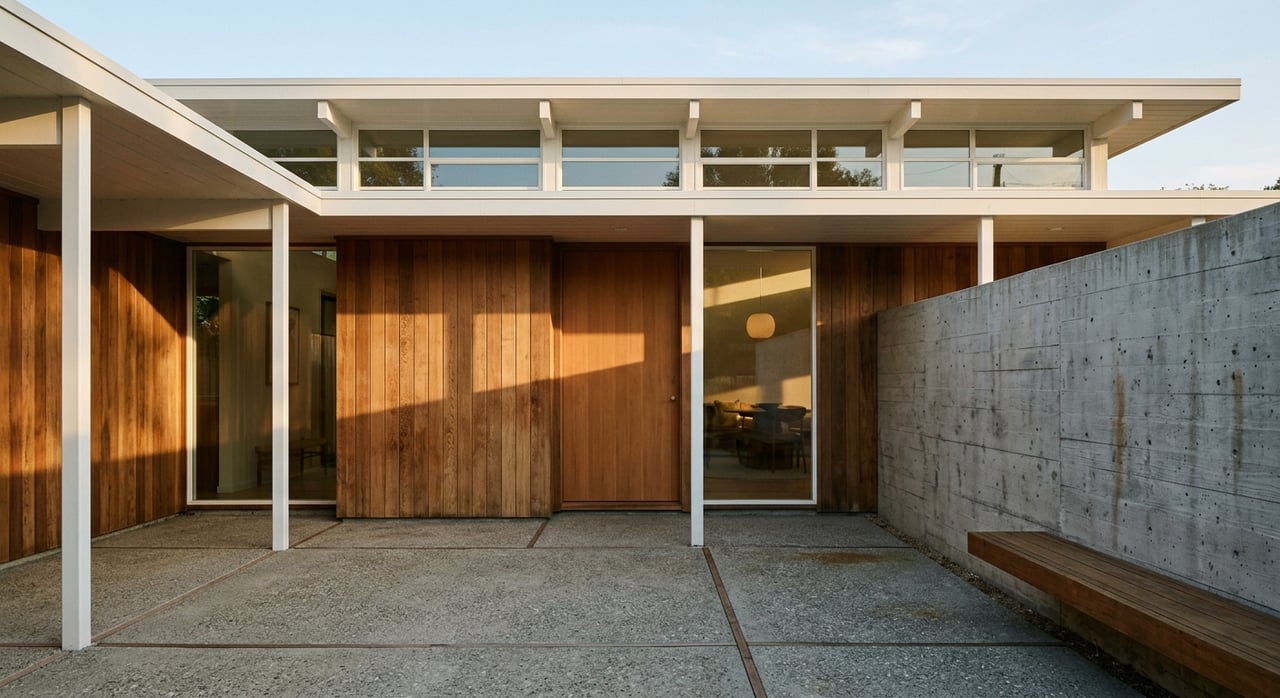
Luxury buyers in Mill Valley often notice design before they study the numbers. Still, unusual architecture does not automatically increase value. The city’s design guidelines emphasize site planning, neighborhood compatibility, massing, scale, materials, windows, entries, and overall design character.
That means a distinctive home usually commands a premium only when the design feels intentional and well executed. Buyers respond to homes that feel cohesive, proportionate, and well suited to the lot. Being different alone is not enough.
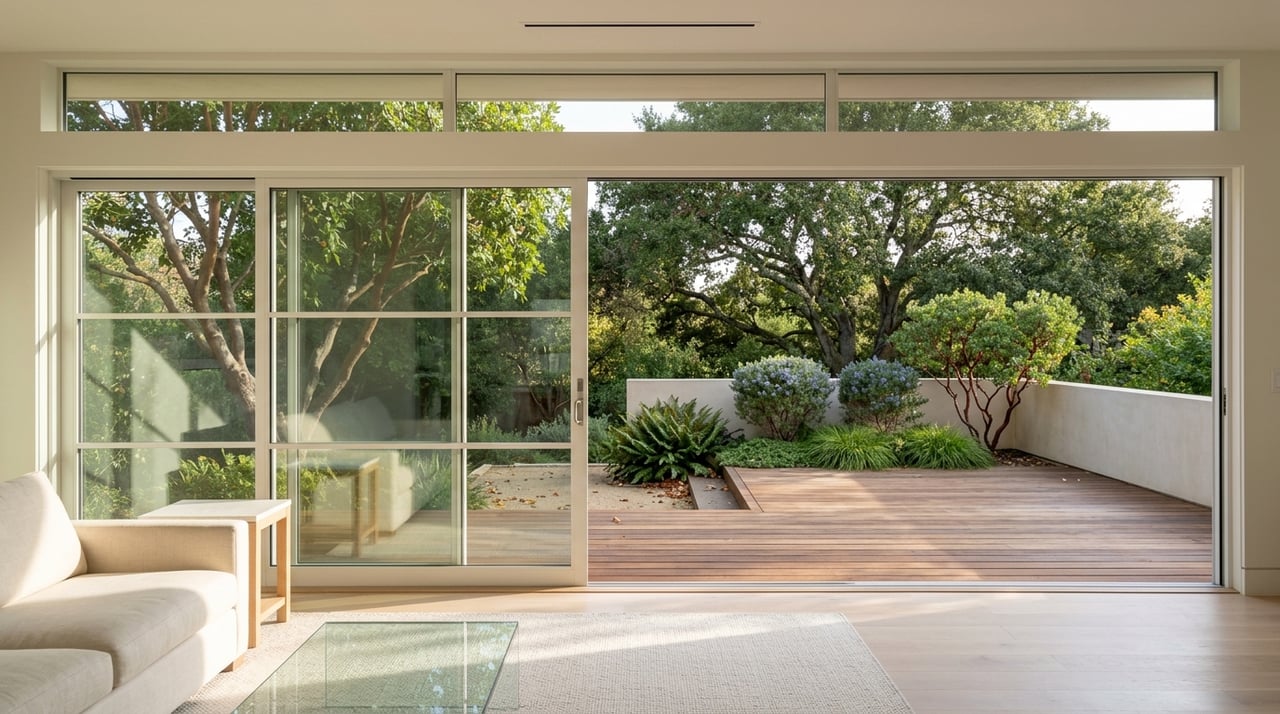
If your home has standout architecture, pricing should connect that design to real buyer value. That could include a strong indoor and outdoor relationship, polished finishes, well-placed windows, or a layout that fits the property naturally. The goal is to show why the home feels elevated, not just custom.
In the luxury segment, presentation and pricing often work together. A premium number tends to hold up best when the home’s design story is clear and the finish level supports it.
Mill Valley is still competitive, but that does not mean buyers will chase every price point. Zillow’s current metrics show 74 homes for sale, 42 new listings, and 11 days to pending, which points to healthy demand. At the same time, the price-drop rate shows that buyers remain selective.
This is where strategy matters most. If you price too low, you may leave money on the table. If you price too high, you risk losing momentum in the first days that matter most.
Today’s market signals suggest a balanced luxury approach:
That combination supports a pricing plan based on precision, not optimism.
The strongest pricing strategy for a luxury home in Mill Valley starts with the property itself. You begin with a narrow comp set, then adjust for the features that actually move value. That usually includes location, view quality, site usability, architecture, and finish level.
Think of your list price as the market-tested version of your home’s story. It should explain, in numbers, why your property belongs where it does in the market. When that story is clear, buyers are more likely to respond with confidence.
A disciplined luxury pricing process often looks like this:
This kind of approach tends to create a stronger launch and a more credible position in the market.
In luxury real estate, buyers do not evaluate price in a vacuum. They evaluate price through photos, design, condition, and how clearly the home’s lifestyle is communicated. That is especially true in a place like Mill Valley, where setting and architecture carry real weight.
A thoughtful pricing strategy works best when paired with polished presentation and a clear narrative. When buyers understand what makes the home special, they are better prepared to recognize its value. That is often what separates a strong launch from a stale listing.
If you are preparing to sell a luxury home in Mill Valley, the right guidance can help you price with confidence instead of guesswork. For a high-touch, data-driven strategy tailored to your home and micro-market, connect with Emily Schaffer.
Stay up to date on the latest real estate trends.



Get assistance in determining current property value, crafting a competitive offer, writing and negotiating a contract, and much more. Contact me today.