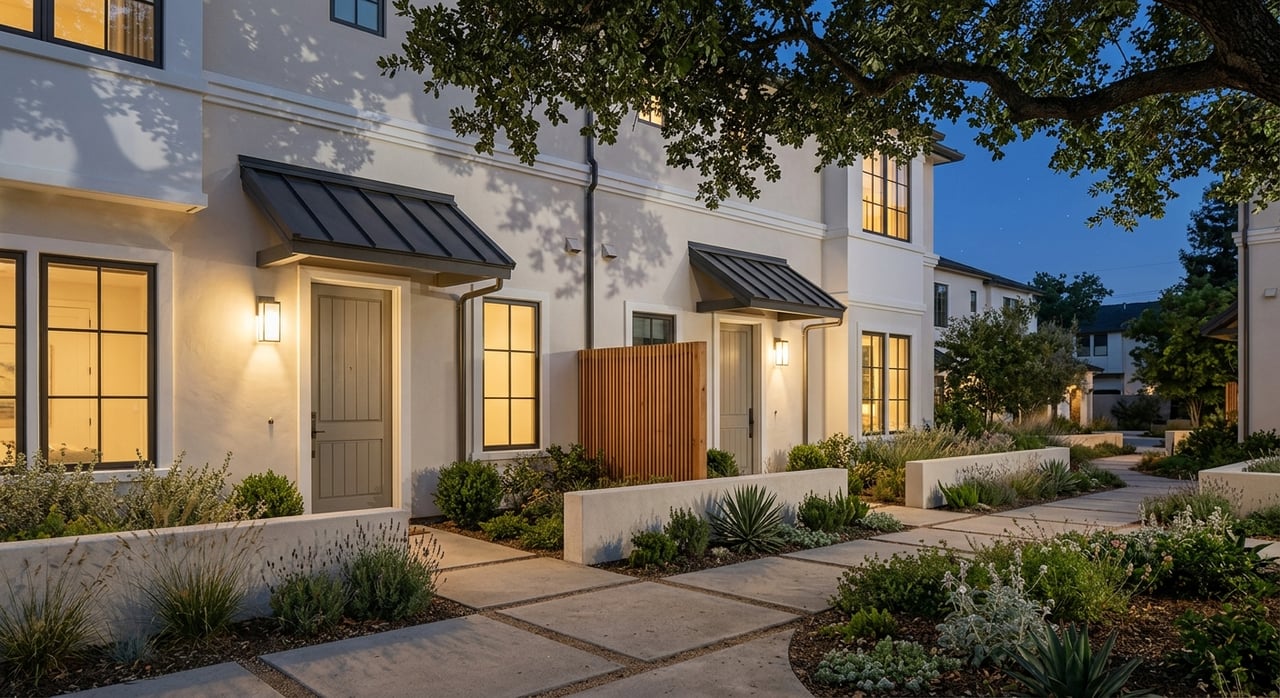
San Rafael Condos Versus Houses For Your Next Move
July 9, 2026
July 9, 2026
If you are planning a move in San Rafael, one question can shape almost everything that follows: should you buy a condo or a house? In a market where home values are high and housing choices span detached homes, townhome-style properties, and multifamily communities, the right answer depends on how you want to live day to day. This guide will help you compare maintenance, privacy, outdoor space, flexibility, and ownership structure so you can make a more confident next move. Let’s dive in.
San Rafael offers a mix of property types, which is part of what makes this decision worth a careful look. According to city housing data, detached single-family homes remain the dominant housing type, but the city also has a meaningful supply of attached housing, including multifamily units and townhome-style options.
That variety matters because buyers in San Rafael are not all solving the same problem. Some are looking to simplify ownership and reduce upkeep, while others want more control, more land, or room to adapt over time. In a city with a median owner-occupied home value of $1,355,600 and a 53.0% owner-occupied housing rate, both downsizing and move-up buying are very real parts of the local market.
San Rafael is also planning for more housing variety in the years ahead. In its 2023-2031 Housing Element, the city states that it must plan for 3,220 new units, including 1,349 for low- and very low-income households, which reflects continued focus on a broader mix of housing types.
Before you compare features, it helps to understand that the listing label does not always tell the whole story. Under California law, condos, planned developments, stock cooperatives, and community apartment projects are all forms of common interest developments.
That means a property described as a “townhome” may look like a house but still operate under condo-style or HOA rules. California’s Department of Real Estate notes that “townhome” is an architectural style, not a legal category. Even some detached homes can be part of a planned development with shared amenities, private streets, or association rules.
In practical terms, you should not assume that a house means no HOA or that a townhome gives you full exterior control. The governing documents, ownership boundaries, and maintenance obligations matter more than the marketing description.
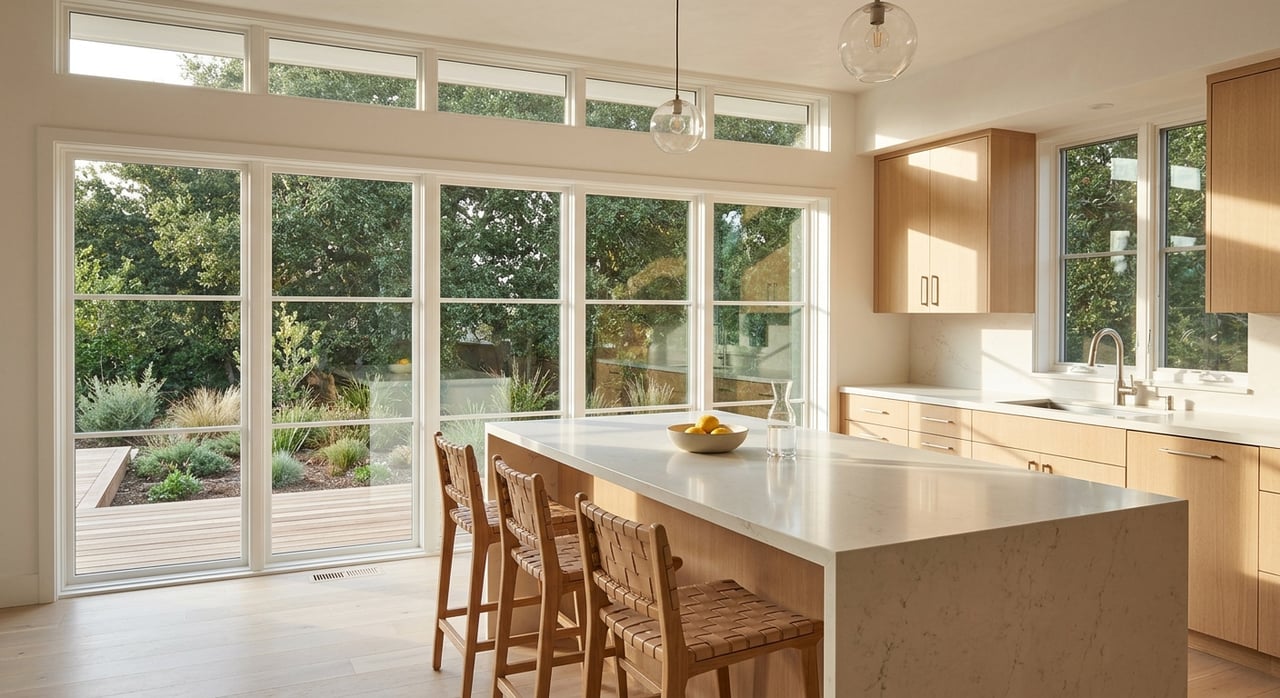
For many buyers, a condo offers the simplest day-to-day ownership experience. In many common interest developments, the homeowners association handles shared areas and at least some exterior maintenance, which can reduce the amount of routine upkeep on your plate.
That convenience can be especially appealing if you travel often, want a lower-maintenance lifestyle, or simply do not want to manage as many home projects. In a high-cost market like San Rafael, condos can also offer an entry point to ownership for buyers who want to stay in Marin without taking on the full cost and responsibilities of a detached house.
Still, convenience comes with tradeoffs. Condo ownership usually includes monthly dues, and those dues support operating costs, reserves, and association obligations. You also need to be comfortable with shared governance, building rules, and the possibility of special assessments.
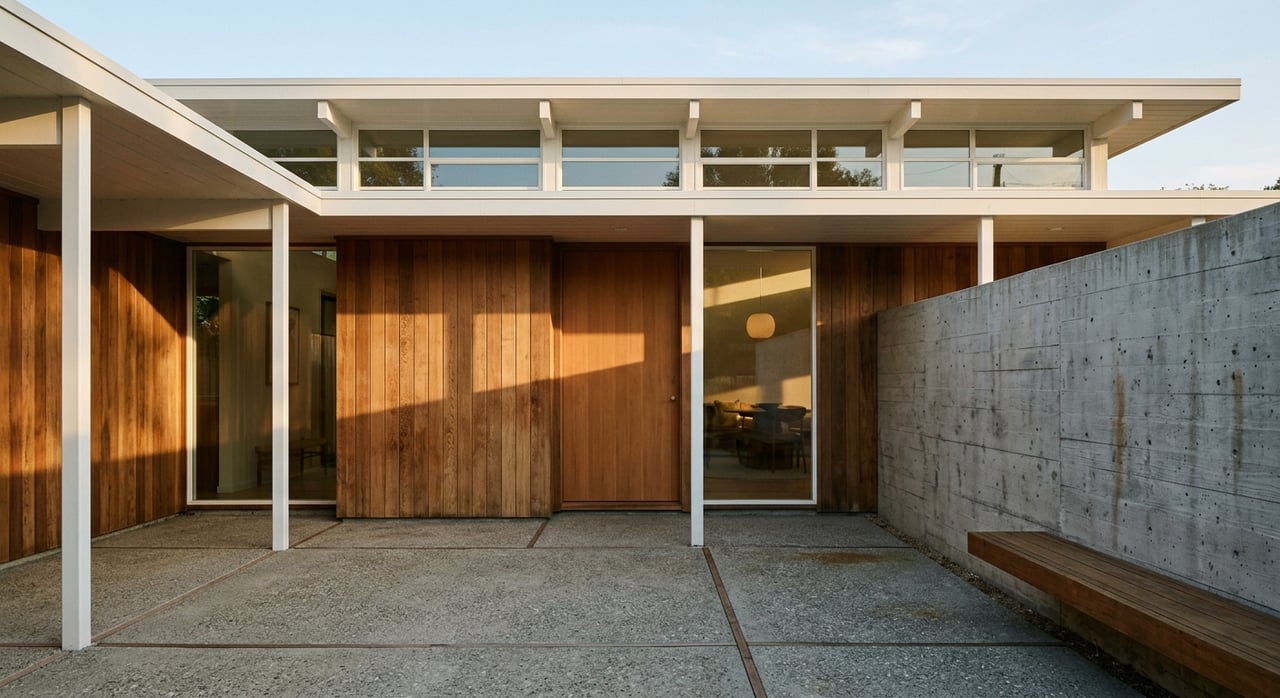
A detached house often gives you the most direct control over your property. You usually have more say over repair timing, design decisions, and how you use your lot, although some houses in planned developments may still be subject to HOA rules.
Houses also tend to offer more separation from neighbors and more outdoor space. If privacy, a yard, or room for future changes matter most to you, a detached home often sits at the strongest end of the spectrum.
The tradeoff is responsibility. Instead of paying dues for someone else to coordinate many exterior tasks, you are more likely to handle repairs, maintenance planning, landscaping, and larger capital projects yourself.
For many buyers, the condo-versus-house decision comes down to one thing: how much maintenance do you want to own personally? California Civil Code generally assigns common-area repair, replacement, and maintenance to the association, while the owner is responsible for the separate interest and certain exclusive use common areas tied to the unit.
That sounds simple, but real-life responsibility can vary by project. Balconies, patios, porches, stoops, and similar spaces may be classified as exclusive use common area, which means they may feel private while still being governed by HOA rules and maintenance terms.
Townhome-style communities often fall somewhere in the middle. California’s Department of Real Estate explains that some projects split exterior and roof responsibilities between the owner and the HOA, while others place more exterior responsibility on the owner even when there is shared infrastructure.
If you are considering a condo or townhome, monthly dues are only part of the picture. California requires associations to provide annual budget reports that typically include a pro forma operating budget, reserve summary, reserve funding plan, and insurance summary.
Associations must also conduct reserve studies at least once every three years for major components they are responsible to maintain. That means you have a framework for reviewing whether the HOA appears to be planning responsibly for future repair and replacement costs.
Before you buy, it is smart to review:
For some condo communities, the annual budget packet may also indicate FHA or VA approval status, which can affect financing options and future resale considerations.
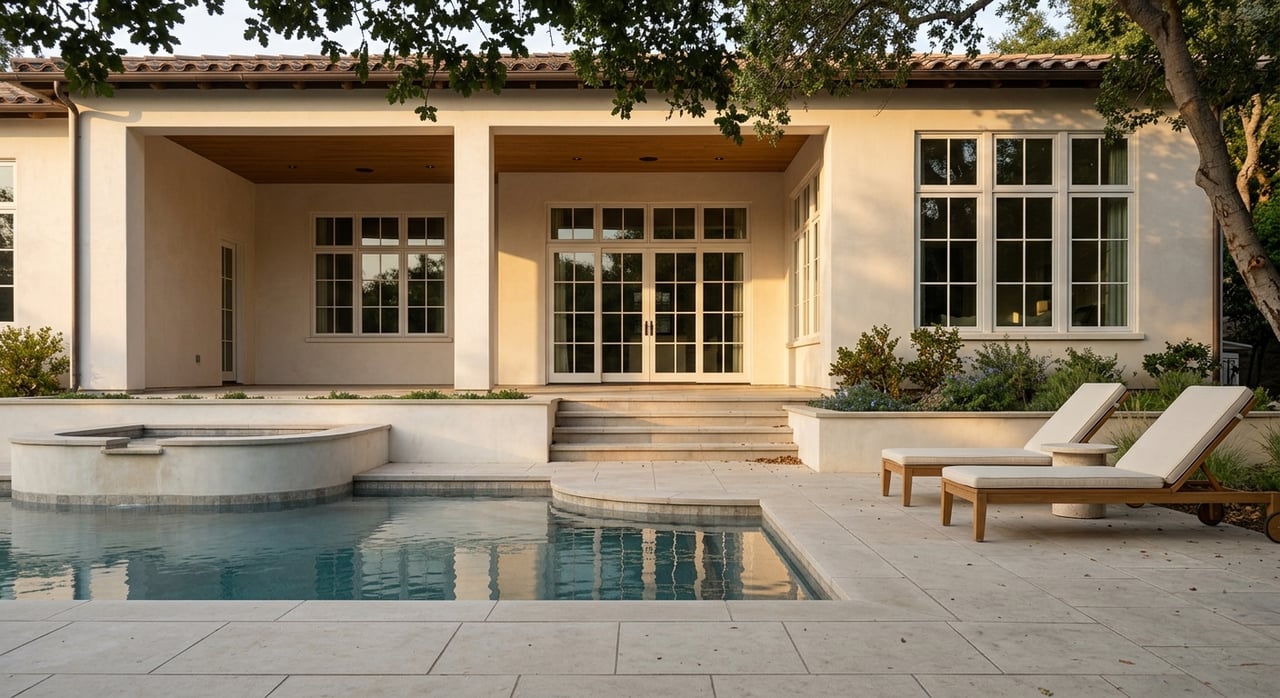
If privacy is high on your list, a detached house usually offers more of it. You are less likely to share walls, and you often have a clearer sense of what outdoor space is fully under your control.
With condos and some townhomes, outdoor areas can be more nuanced. A patio, balcony, or porch may be reserved for your use, but California law can still classify that area as exclusive use common area rather than part of your separate ownership interest.
That distinction matters because it can affect what changes you can make, who maintains certain components, and how the space is insured or regulated. If outdoor living matters to you, ask detailed questions before you fall in love with the layout.
Your next move may not be your forever setup, so it helps to think a few years ahead. If you may want to expand, add living space, or create rental potential later, a detached house often offers more flexibility.
San Rafael states that a single-family residence may have one detached ADU, one attached ADU, and one JADU, subject to permit and zoning rules. The city also states that CC&Rs that effectively prohibit or unreasonably restrict ADUs or JADUs on a single-family lot are void and unenforceable.
California law similarly voids HOA restrictions that effectively prohibit or unreasonably restrict ADUs or JADUs in planned developments on single-family residential lots. That can make a house especially attractive if you are thinking about multigenerational living, guest space, or future income possibilities.
Some buyers want the option to rent the property out later, even if that is not part of the immediate plan. If that sounds like you, the resale package and HOA documents deserve close attention.
California law generally protects the ability to lease a separate interest, but HOAs may still impose certain limits. The law allows some rental restrictions, including a minimum 25 percent rental cap in a common interest development and bans on transient or short-term rentals of 30 days or less.
That means a condo or townhome could still work well for a future rental strategy, but you should verify the actual rules before you buy. If you are weighing long-term investment use, this is one of the most important comparison points between property types.
If you are deciding between a condo and a house in San Rafael, focus on the lifestyle and control questions that affect you most. The right choice is not just about square footage. It is about how you want ownership to feel.
Here are a few smart questions to ask:
In many cases, condos sit at one end of the spectrum for ease and shared responsibility, while detached houses sit at the other end for control and flexibility. Townhomes can land almost anywhere in between depending on the project.
If your priority is simpler ownership, less exterior upkeep, and a more predictable day-to-day routine, a condo may be the better fit. If your priority is privacy, more control, outdoor space, and future adaptability, a detached house may make more sense.
San Rafael gives you both paths. Because detached homes remain the largest share of the housing stock while attached housing is still a meaningful part of the market, you have real options to match your lifestyle and goals.
The key is to look past the label and understand exactly what you are buying. When you compare ownership structure, maintenance responsibility, HOA health, outdoor use, and future flexibility, the best choice usually becomes much clearer.
If you are weighing condos versus houses in San Rafael and want thoughtful, high-touch guidance tailored to your goals, Emily Schaffer can help you evaluate the details and move forward with confidence.
Stay up to date on the latest real estate trends.




Get assistance in determining current property value, crafting a competitive offer, writing and negotiating a contract, and much more. Contact me today.